The average website redesign starts with excitement, continues with scope creep, and ends with someone asking why the contact form stopped working.
Most businesses that come to me wanting a new website do not actually need one. They need their existing website fixed. This opinion costs a few potential projects. It keeps the clients that matter.
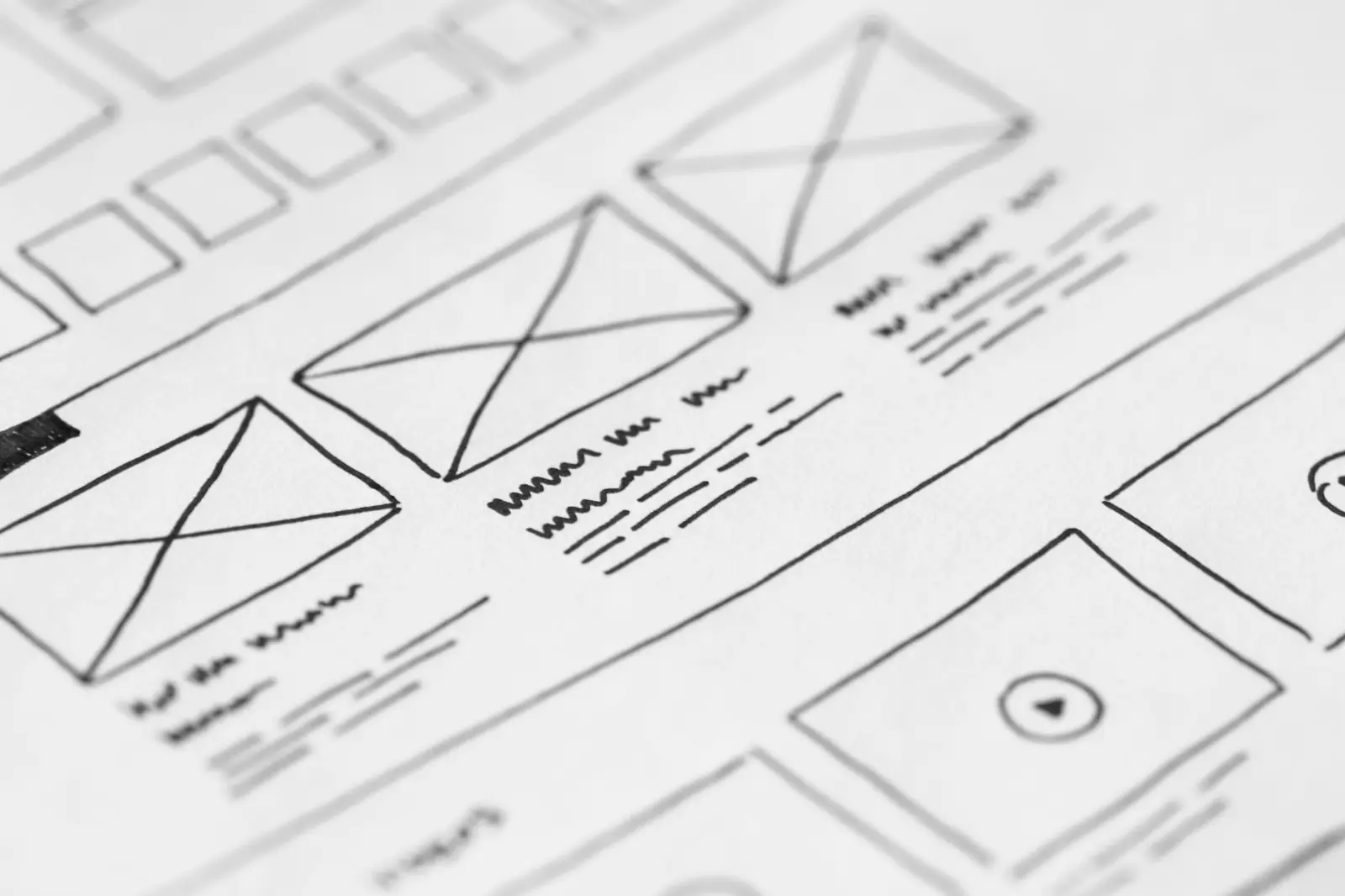
A redesign means new design, new structure, often new content. It takes considerably longer and costs significantly more. Optimization means improving performance, conversion rate, and technical quality of what already exists. It is usually faster and costs a fraction. The question is: which problem do you actually have?
Read the data before deciding
Before making this decision, you need to know what is actually happening on your current site. Most businesses skip this step and guess.
Open Google Analytics or Search Console and look at: bounce rate by page, sessions to conversion, top landing pages that get traffic but convert poorly, mobile versus desktop performance, and Core Web Vitals scores.
If your bounce rate is above 80% and your conversion rate is under 1%, the problem is almost never the design. It is speed, copy, or missing trust signals. A site that looks outdated but loads fast and converts at 3% does not need a redesign.
When optimization is the right answer
Optimize instead of redesigning when:
- The site gets traffic but converts poorly
- Load time is over 3 seconds
- The design is acceptable but the copy is weak or generic
- Mobile usability is broken on key pages
- Core Web Vitals are failing and hurting search rankings — see the full technical SEO checklist
- The site has not been maintained in 2+ years (security, plugin updates)
Here is an illustrative example of a pattern that comes up often (not a specific client): a store owner asks for a full WooCommerce redesign because sales are flat. Traffic is fine, but very few visitors buy. An audit finds slow page loads, unoptimized product images, a checkout asking for far more information than it needs, and no trust signals on product pages.
None of those problems needs a redesign. Every one of them can be fixed on the existing site, for a fraction of the cost, and the results can be measured in analytics within weeks. If the numbers improve, the redesign budget can go somewhere more useful.
When redesign is the right answer
Redesign when:
- The brand has genuinely changed and the site no longer reflects it
- The site runs on technology that cannot be maintained (outdated CMS, end-of-life frameworks)
- The content structure makes it impossible to add pages or products efficiently
- You are rebranding the entire business, not just refreshing the website
- Redesigning without analytics is guessing — make sure you know what is already working before you remove it
The question that focuses the decision
Before hiring anyone for either option, answer this: what specific business outcome are we trying to change?
If the answer is more leads, check your lead capture, calls to action, and trust signals before touching the design. If the answer is better brand perception, check whether the copy matches what the brand actually is.
Neither redesign nor optimization is useful without a specific target metric to move. If you are not sure which direction makes sense for your situation, share what you are seeing and we will give you an honest answer.
What most projects actually need
Most projects I take fall in the middle. Improve the page structure, fix the technical foundation, rewrite the copy, leave the visual design largely intact or make targeted improvements.
This approach gets most of the benefit for a fraction of the cost of a full redesign. For most businesses with a working site and a lead generation problem, it is the right answer.