
An ugly product with paying customers is worth more than a beautiful product with no users. Revenue is the best form of validation. Most SaaS MVP projects I have seen get this backwards.
The most expensive SaaS MVP mistake is building before you know what to build. A common version: a long, detailed feature specification written before a single conversation with a potential user. The logic: if we build it well enough, users will come. The reality: they built the wrong thing well, which is worse than building nothing.
Before committing to any technology stack, read WordPress or Custom Development — the same decision framework applies to early-stage product work.
Mistake 1: Building too much
Most MVP specifications I see are much larger than they need to be. Founders add 'while we're at it' features that double the build time without adding validation value.
A useful rule: for every feature in your specification, ask what happens if you ship without it. If the answer is 'users cannot test the core hypothesis,' keep it. If the answer is 'it would be nice to have,' cut it.
The first version of Dropbox was a demo video, not a product. They validated demand before writing a line of production code. The insight is not that you should skip building — it is that you should validate before you invest.
Mistake 2: Wrong technology for the stage
Some development agencies pitch custom frameworks or microservices for MVP projects. Some founders want the 'best' technology stack regardless of build speed.
For a standard B2B SaaS MVP, Laravel (PHP) or Node.js with a PostgreSQL database is almost always the right choice. It is fast to build with, easy to hire for, and handles everything a typical SaaS needs at launch and through early growth. Next.js works well for the frontend. Stripe's billing infrastructure handles subscriptions without custom code.
Custom-built infrastructure at MVP stage is how you spend six months on server architecture instead of on the product. Save the microservices conversation for when you have real paying customers and a clear scaling bottleneck. Digital Invento's SaaS development work starts from this principle.
Mistake 3: No user testing before development
Most founders go from idea to development without showing the concept to anyone in their target market.
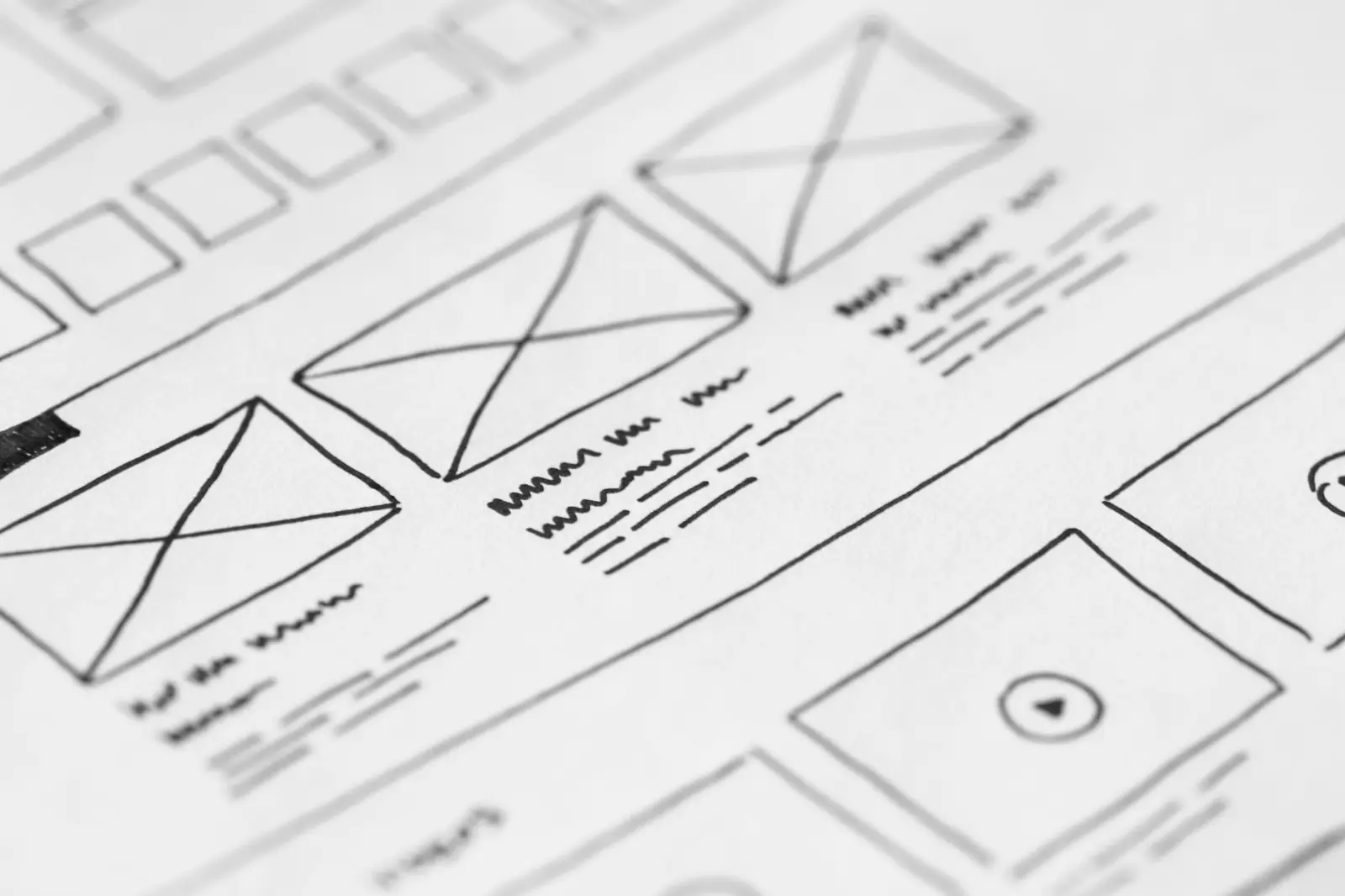
Before writing a line of production code, make a mockup in Figma. It does not need to be interactive. Show it to 10 people who match your target customer profile. Ask what they would pay for it. Ask what is missing. Ask what they do not understand. Small groups surface most problems — see Nielsen Norman Group on testing with five users.
It is a small investment compared with development. It often changes the feature set, usually toward a smaller, more focused first version. And it is far cheaper than building the wrong thing and pivoting after months of development.
Mistake 4: No pricing model before launch
'We will figure out pricing later' is a mistake I see consistently in pre-launch SaaS projects.
Pricing is a product decision, not a marketing decision. Freemium requires a usage limit and a triggered upgrade flow. Usage-based billing requires a metering system. Per-seat pricing requires team management and invitation flows. If you do not decide your pricing model before development starts, you will build things twice.
Know your pricing model before the first line of production code. Stripe handles the billing mechanics — that part is two days of integration work. What Stripe cannot decide for you is the business model.
What a good MVP scope looks like
One user type. One core workflow. The feature that directly tests your hypothesis. Standard requirements that are not optional:
- Authentication: signup, login, password reset
- Basic billing via Stripe — free to try, paid to continue
- The single core feature that validates the hypothesis
- Error handling that does not confuse users
Not in scope for v1: mobile app, admin dashboard, reporting, API, third-party integrations, multi-language support, advanced permissions.
Get to 10 paying customers. Build everything else after you understand what they actually need — which will be different from what you assumed. If you want to talk through your MVP scope before committing to a build, we can help figure out what is actually needed.